
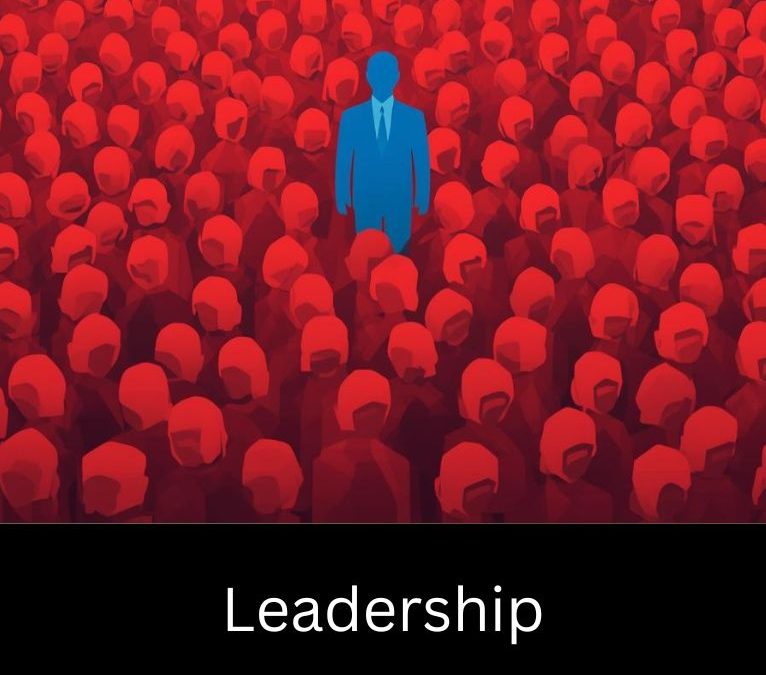
Lesson Introduction
Leadership is not defined by title, authority, or position — it is defined by influence, judgment, and behaviour under pressure. In complex organisations, especially within the financial sector, leadership shapes culture, determines risk appetite, and influences how institutions respond to uncertainty, crisis, and opportunity.
Effective leadership is tested when conditions are difficult: during market volatility, organisational change, ethical dilemmas, and moments of strategic inflection. Strong leaders provide clarity when information is incomplete, make decisions when outcomes are uncertain, and create environments where people can perform, innovate, and act with integrity. Poor leadership, by contrast, amplifies risk, erodes trust, and can cause lasting damage to institutions, markets, and stakeholders.
Leadership is not one-size-fits-all. Different contexts require different leadership styles — visionary, servant, transformational, democratic, transactional, and others. What matters is not adopting a fashionable style, but understanding how leadership behaviour affects people, performance, and outcomes. In regulated industries, leadership also carries heightened responsibility: decisions influence not only profitability, but customer trust, regulatory standing, and systemic stability.
In this module, we explore leadership through real-world examples across business, finance, sport, and public life. We examine what leadership is — and what it is not — the benefits of effective leadership, the consequences of poor leadership, and practical strategies leaders can use to lead with credibility, empathy, and accountability. We also consider how emerging tools, including artificial intelligence, can support better leadership decision-making without replacing human judgment.
This module is designed for professionals who need to understand how leadership directly impacts organisational resilience, ethical conduct, and long-term success.
Learning Outcomes
By the end of this module, you will be able to:
- Define leadership beyond formal authority Understand leadership as influence, behaviour, and decision-making rather than title or hierarchy.
- Recognise different leadership styles and contexts Identify common leadership styles and understand when different approaches are effective.
- Explain the benefits of effective leadership Understand how strong leadership drives trust, performance, innovation, and organisational resilience.
- Identify the risks and consequences of poor leadership Recognise how weak leadership contributes to ethical failures, operational breakdowns, and reputational damage.
- Apply practical leadership strategies Use empathy, communication, transparency, accountability, and decision-making techniques to lead effectively.
- Understand leadership responsibilities in financial services Recognise why leadership is critical in regulated environments where trust, risk, and governance are central.
- Evaluate the role of AI in leadership decision-making Understand how AI can support foresight, risk detection, and performance management while preserving human accountability.