
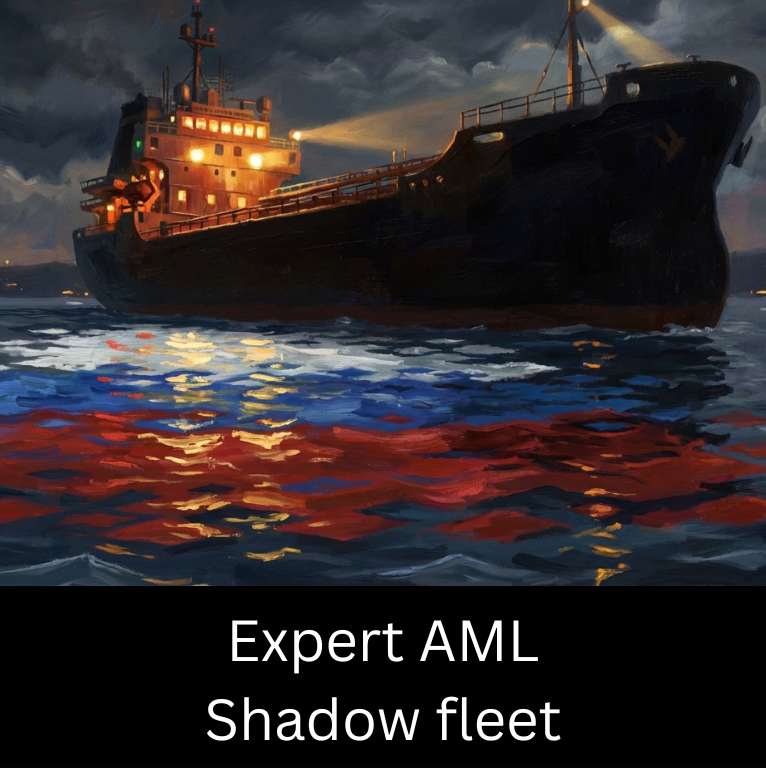
In 2026, the waters around Iran are under the heaviest scrutiny in years. Naval pressure has intensified, inspections have surged, and AIS (the global maritime tracking system) is watching every tanker that so much as flickers on its screen. On paper, this should have been the moment the “shadow fleet” finally stalled—the moment the world’s most persistent sanctions-evasion network ran out of room to manoeuvre. But that hasn’t happened.
Watch our Shadow Fleet trailer to understand how the fleet operates and how it continues to defy the world’s most powerful navies.
The blockade that didn’t hold
Multiple open‑source maritime‑tracking reports now indicate that, to date, at least 26 to more than 30 Iranian‑linked tankers successfully navigated in or out of the Gulf despite the blockade pressure. Analysts from Lloyd’s List and IntelliNews describe a pattern of operational failures, with vessels slipping through using the same tactics that have defined the shadow fleet for more than a decade: AIS spoofing, false flags, dark activity, and smaller feeder ships used to bypass scrutiny. Enforcement gaps, fragmented jurisdiction, and the sheer geographic scale of the Gulf have created openings that even coordinated naval patrols struggle to close.
Some reports highlight specific examples. An Al Jazeera investigation noted a vessel identified as “13448” breaking through the blockade, while other tankers — including the Roshak — were observed exiting the Gulf during periods of heightened enforcement. IntelliNews estimated that the continued movement of sanctioned cargo generated hundreds of millions of dollars in revenue, despite the pressure. At the same time, U.S. officials reported intercepting dozens of vessels and disputed the scale of Iranian success, creating a landscape of conflicting claims — but one consistent pattern: the flow never stopped.
How the shadow fleet was built
To understand why, you have to go back to where this system began.
Iran didn’t build the shadow fleet in response to 2026. It built it more than a decade ago.
When sanctions tightened in the early 2010s, Iran faced a structural crisis: how do you sell oil when the global financial system is designed to prevent it? The answer wasn’t a loophole. It was an entirely new logistics architecture — a parallel maritime economy built on opacity, misdirection, and the ability to move crude without relying on the regulated world.
The mechanics of invisibility
Ageing tankers were bought for scrap value and repurposed. Ownership was buried inside single‑ship shells. AIS manipulation became a strategic tool rather than a technical anomaly. Ship‑to‑ship transfers were choreographed in blind zones — often off Fujairah, in the Gulf of Oman, or in the South China Sea, far from the enforcement footprint. Documents were rewritten mid‑voyage. Cargoes changed identity before they ever reached a buyer.
By the time the world started paying attention, the system was already mature — and it had already been copied. Russia’s post‑2022 sanctions network adopted many of the same techniques, proving that Iran’s model had become the global blueprint for sanctions‑resilient logistics.
Built to absorb pressure
And when pressure intensified again in 2026, the fleet didn’t collapse — it simply shifted. Loadings moved further offshore. STS transfers multiplied. Routing patterns changed. The same architecture that allowed Iran to survive earlier sanctions cycles allowed it to absorb the latest wave of enforcement.
Why this is an AML problem, not a maritime one
This is why the shadow fleet matters for AML. It isn’t a maritime story. It’s a financial‑crime ecosystem.
For South African AML and compliance professionals, the lesson is clear: the vessels may be thousands of miles away, but the illicit money and the risk associated with it are right here in our ledgers. Payments, insurance chains, trade finance flows, and fuel imports all intersect with markets where sanctioned oil is blended, rebranded, and quietly pushed into global supply. Blending hubs in Fujairah, Malaysia, and Singapore routinely absorb shadow‑fleet cargoes before they enter legitimate trade finance channels — including letters of credit, marine insurance, and commodity‑linked payments that pass through South African institutions. South Africa doesn’t operate a shadow fleet — but our financial system touches it every day.
There are plenty more modules where this came from. Sign up or sign in to explore the full Easy Institute CPD catalogue — every subject your compliance requires, none of the boredom.